$ 29.000
$ 27.000
$ 18.000


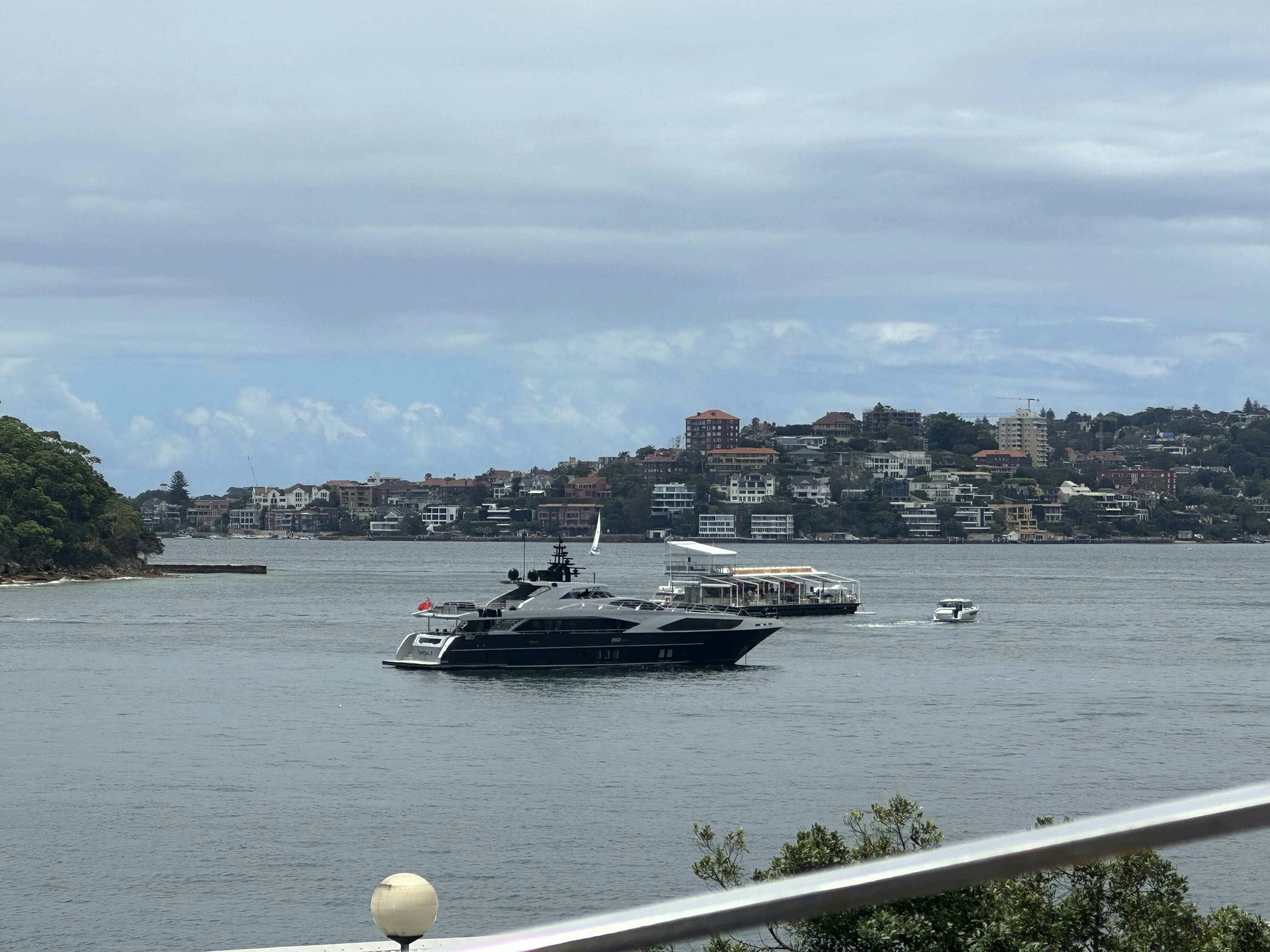
In recent years, the boating industry has witnessed a significant shift towards sustainability, particularly in the luxury yacht sector. Eco-friendly luxury yachts are redefining what it means to sail in style without compromising the health of our planet. These vessels are designed with sustainable practices and materials, setting them apart from their traditional counterparts. They not only offer opulence and comfort but also prioritize environmental responsibility, reflecting a growing trend among affluent consumers who are increasingly aware of their ecological footprint.
Affluent yacht enthusiasts are now more inclined to consider the environmental implications of their leisure activities. This heightened awareness stems from a broader global movement toward sustainability and a recognition that luxury does not have to come at the expense of the environment. Eco-friendly luxury yachts embody this new ethos by integrating advanced technologies that minimize their ecological impact. These innovations range from solar panels and hybrid propulsion systems to the use of sustainable materials in construction, showcasing that elegance can coexist with environmental consciousness.
The emergence of eco-friendly luxury yachts is also fueled by the industry’s response to regulatory changes and consumer demand. As regulations surrounding emissions and waste management become more stringent, yacht manufacturers are innovating to stay compliant while appealing to a discerning clientele. This intersection of luxury living and sustainability not only enhances the desirability of these yachts but establishes a framework for the future of boating. As technology advances, the possibilities for eco-friendly design continue to expand, creating a new standard in the luxury yacht market that emphasizes both performance and environmental stewardship.
As the demand for luxury sailing experiences aligns increasingly with environmental consciousness, innovative technologies play a crucial role in the evolution of eco-friendly luxury yachts. Designers and manufacturers are continuously adopting cutting-edge methods to reduce emissions and enhance energy efficiency, leading to a transformation in the yachting industry.
One significant development in this realm is the integration of renewable energy sources. Solar panels are becoming a staple in yacht design, allowing vessels to harness sunlight effectively. Many yachts now feature large solar arrays, which power onboard systems, reducing reliance on fossil fuels. Additionally, wind turbines are being installed on some yachts to capture wind energy, further contributing to the sustainability of the vessel.
Advancements in hybrid propulsion systems have revolutionized how yachts operate. These systems combine traditional engines with electric motors, allowing for quieter, more efficient cruising. By utilizing battery power in low-speed situations, hybrid yachts can minimize their ecological footprint. For instance, many luxury yachts are now adopting this technology to provide a smoother, more sustainable experience without sacrificing performance.
The use of eco-friendly materials in shipbuilding is also gaining momentum. Manufacturers are exploring sustainable alternatives such as recycled aluminum and sustainable woods, reducing environmental impact while maintaining luxury standards. Yachts built with these materials are not only aesthetically pleasing but also represent a commitment to sustainability.
Moreover, the integration of smart technologies enhances energy efficiency. Advanced monitoring systems now allow yacht owners to track energy usage in real-time and adjust systems accordingly, ensuring optimal performance. These smart technologies can control lighting, climate, and other systems automatically, further reducing emissions.
Such innovative steps toward sustainability are exemplified by yachts like the “Solarwave 62” and “Aqua,” both of which showcase the effective use of renewable resources and advanced propulsion systems. These developments mark a promising shift in the yachting landscape, paving the way for a more sustainable future on the waters.
In recent years, the luxury yacht market has witnessed a significant shift towards eco-friendly designs and technologies. As consumers become increasingly aware of environmental issues, their preferences are evolving, influencing the demand for sustainable luxury yachts. The desire for eco-friendly alternatives is largely driven by a growing social consciousness surrounding climate change, marine conservation, and the broader impact of consumerism on the environment. This heightened awareness has resulted in discerning clients seeking yachts that not only provide opulence but also promote sustainability.
Research indicates that consumers are more inclined to invest in products that align with their values, particularly in the luxury market. A survey conducted by a marine industry consultancy revealed that approximately 67% of prospective yacht buyers consider sustainability an important factor when making purchasing decisions. This shift underscores the increasing importance of environmental responsibility in consumer preferences and highlights a broader trend of integrating sustainability into luxury experiences.
Regulatory changes also play a crucial role in propelling the demand for eco-friendly luxury yachts. Authorities around the world are implementing stricter emissions regulations and sustainability standards for the marine sector. As a result, yacht manufacturers are innovating to comply with these regulations while also meeting consumer expectations. Industry experts note that cutting-edge technologies such as hybrid engines, solar energy systems, and advanced recyclable materials are being adopted in yacht construction to enhance sustainability without compromising luxury.
Additionally, the market is responding to a desire for unique and personalized experiences, which has led to the customization of eco-friendly yachts. Buyers are increasingly interested in yachts that offer personalized sustainable features, further driving demand in this niche. In essence, the convergence of social responsibility, regulatory influences, and the quest for bespoke experiences is reshaping the luxury yacht sector, steering it firmly towards a more sustainable future.
The luxury yacht industry, while making strides toward sustainability, faces several challenges that can hinder the mass adoption of eco-friendly vessels. One of the primary obstacles is the high cost associated with eco-friendly technologies and materials. While traditional yachts can be built using conventional materials and fuel sources at a lower price point, sustainable alternatives such as biofuels, solar panels, and lightweight composite materials often come at a premium. As a result, the initial investment for eco-friendly luxury yachts can be prohibitive for many prospective buyers.
Another pressing challenge lies in the limited availability of sustainable materials and technologies. Manufacturing processes for eco-friendly yachts often rely on innovative materials that are not yet widely produced or are still in the developmental phase. Consequently, this scarcity can lead to production delays and increased costs, which can deter manufacturers from fully committing to green initiatives. Additionally, some luxury yacht builders may be reluctant to change established production methods, fearing that it could compromise the quality and performance synonymous with luxury vessels.
Consumer misconceptions further complicate the situation, as many potential yacht owners may view eco-friendly options as less luxurious or assume they compromise performance. This perception poses a significant barrier to embracing sustainable practices within the industry. To shift this mindset, education around the benefits of eco-friendly yachting, including reduced operational costs and environmental impact, is essential.
Looking to the future, advancements in technology could pave the way for more accessible and efficient eco-friendly luxury yachts. As regulatory frameworks become increasingly stringent regarding emissions and environmental standards, manufacturers might accelerate the development of sustainable options. Furthermore, changing consumer behavior, influenced by growing environmental awareness, is likely to drive demand for eco-friendly luxury yachts, ensuring their place in the industry moving forward. Sustainable practices will be pivotal for the longevity and relevance of luxury yachting in an ever-evolving marketplace.