$ 29.000
$ 27.000
$ 18.000


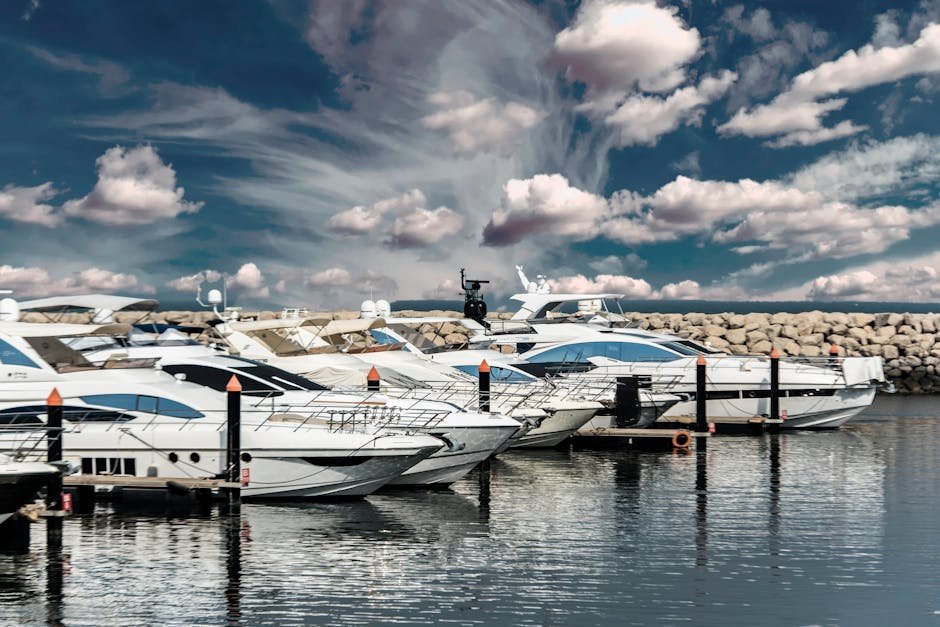 In the world of superlative luxury, yachts stand as icons of prestige, adventure, and exclusivity. However, owning a yacht outright—while the epitome of wealth—has traditionally been accompanied by significant financial commitment, maintenance, and logistical obligations. Today, a new wave of innovative ownership and investment models is transforming the landscape of yacht ownership, making this opulent asset more accessible, flexible, and financially sustainable for high-net-worth individuals and sophisticated investors alike.
The Traditional Yacht Ownership Model
Historically, yacht ownership meant purchasing a vessel outright, often costing tens or hundreds of millions of dollars. While this provided ultimate control over the yacht, it came with substantial expenses—initial purchase costs, maintenance, crew salaries, mooring fees, insurance, and ongoing depreciation. Moreover, the vessel’s utilization depended entirely on the owner’s schedule, often leading to underused assets and high operational costs.
Recognizing these challenges, the industry has shifted towards more flexible and financially savvy ownership options. These models aim to preserve the luxury and personalization associated with traditional ownership while mitigating costs and complexity.
Shared Ownership and Fractional Yachting
One of the most popular alternatives to sole ownership is fractional yacht ownership, also known as shared ownership. This model allows multiple investors to purchase a stake in a yacht, equating to a predetermined amount of usage per year. Often managed by professional yachting companies or luxury asset management firms, fractional ownership provides the benefits of ownership without the full financial burden.
In practice, investors acquire a portion of the yacht—say 1/8 or 1/4—and receive scheduled weeks or periods of usage, with management companies handling operations, maintenance, and crew. This approach democratizes access to superyachts, enabling more clients to enjoy the lifestyle at a fraction of the cost of full ownership.
The advantages are clear: reduced capital outlay, shared maintenance costs, and professional management, ensuring the vessel remains in pristine condition. However, fractional ownership requires cooperation with co-owners and adherence to scheduled itineraries, which may limit flexibility.
Yacht Clubs and Time-Share Schemes
Another innovative model gaining popularity is yacht club memberships and time-share schemes. Similar to luxury golf or resort memberships, these programs grant members access to a fleet of yachts during designated periods. The club handles the logistics, maintenance, and crew, offering an all-inclusive experience.
Memberships often come with privileges such as personalized services, access to the latest vessels, and exclusive events. While not technically ownership, these models provide luxury, convenience, and flexibility, appealing to clients who seek high-end experiences without the responsibilities of yacht management.
Yacht Leasing and Charter Management
Leasing or chartering a yacht on a long-term basis has also become an attractive investment model. Some owners lease their vessels to charter companies, generating income while not using the yacht personally. This approach can offset ownership costs and generate revenue, transforming a personal asset into an income-generating venture.
Additionally, some owners opt for “en-bloc” or private lease arrangements—leasing a yacht to a charter management company that handles marketing, crew, and operations, maximizing utilization and return on investment. This model suits owners interested in blending usage with profitability, especially as the demand for luxury charters continues to grow globally.
Yacht Investment Funds and Asset-Backed Solutions
For investors seeking diversification and more structured investment options, yacht-focused investment funds offer a compelling avenue. These funds pool capital from multiple investors to acquire, operate, and resell luxury vessels. Investors gain exposure to the yacht market without direct ownership responsibilities, with returns typically generated through charter income and asset appreciation.
Furthermore, some financial institutions and asset managers are now offering yacht-backed securities, where yachts are used as collateral for loans or structured financial products. These solutions enable sophisticated investors to leverage their yacht assets and optimize capital efficiency.
The Rise of Hybrid Ownership Models
Innovative hybrid models are emerging, combining elements of fractional ownership, leasing, and fund participation. For example, some firms offer “turnkey” ownership solutions—where investors purchase a share in a fleet, have access to a personal or semi-private yacht, and benefit from professional management and operational efficiencies.
These hybrid models often incorporate sustainability and technological advancements, aligning with the contemporary luxury market’s focus on eco-consciousness and innovation. They provide flexibility, diversification, and reduced risk, appealing to a new generation of investors seeking sophisticated asset management.
The Future of Yacht Ownership
Advancements in technology, shifting client preferences, and evolving financial products point toward a future where yacht ownership becomes increasingly versatile and accessible. Blockchain and smart contract platforms may facilitate transparent, fractional ownership transfers and streamline management processes. Digital platforms are making it easier for clients to explore, customize, and invest in yacht assets.
Additionally, the growing emphasis on sustainability is influencing ownership models—leasing and fractional schemes often promote eco-friendly practices and innovative propulsion systems, aligning luxury with responsibility.
Conclusion
Yacht ownership is undergoing a profound transformation, moving away from traditional, sole ownership